Professional Leak Detection: Shield Your Home From Concealed Water Damage
Proper leak detection serves a vital purpose in maintaining a home's integrity. Hidden water damage can result in significant repair costs and health hazards. Homeowners often overlook early signs, such as unexplained stains or musty odors. Through recognizing these warning signs and utilizing modern detection techniques, homeowners can safeguard their homes. Despite this, numerous residents remain unfamiliar with the most reliable tools and approaches currently available. What measures should homeowners adopt to ensure their property remains protected from these hidden dangers?
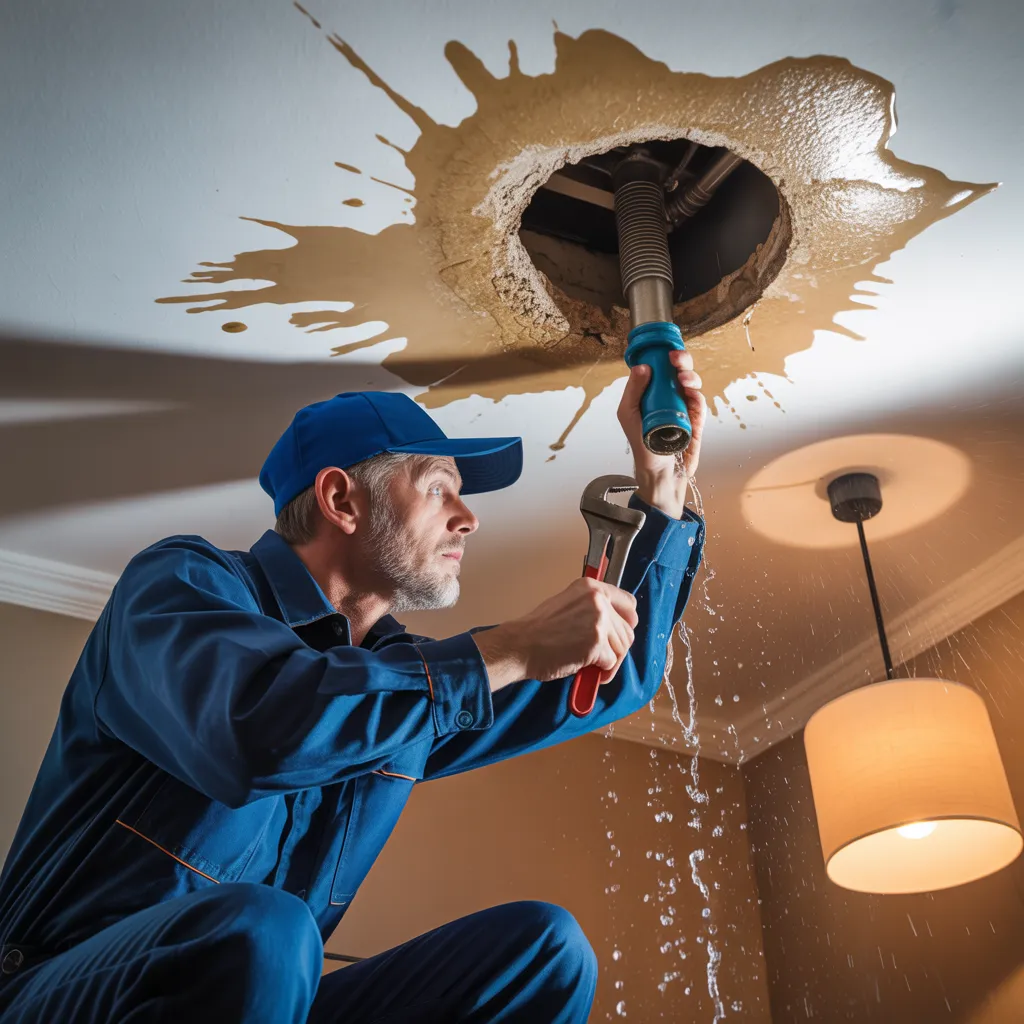
Reasons to Make Leak Detection a Priority
Why is leak detection so important for homeowners? Homeowners should be aware that undetected leaks may cause considerable structural damage and high repair costs. Water intrusion can compromise the integrity of walls, foundations, and even electrical systems, leading to hazardous living conditions. Moreover, persistent moisture can encourage mold proliferation, which creates significant health concerns for those living in the home.
Prioritizing proactive leak detection secures the home and simultaneously boosts property value. Through the early detection of leaks, homeowners can minimize potential harm, thus preventing the costly expenses tied to major repairs. Routine inspections paired with cutting-edge detection technologies can reveal concealed problems that might otherwise remain hidden. In the end, focusing on leak detection ensures the durability of the home and promotes a safer, healthier living space. By staying proactive, homeowners can safeguard their investment and enjoy peace of mind.
Common Signs of Water Leaks You Should Detect
Although water leaks may start small, the warning signs can become more apparent when left unaddressed. Property owners ought to watch carefully for a number of telltale signs of water leaks. A common indicator includes water stains appearing on ceilings or walls, which can manifest as brown or yellowish marks. Moreover, damp or stained areas on the floor can point to underlying moisture problems beneath.
An additional warning sign is the sound of dripping or running water when all fixtures are turned off. A dramatic spike in the monthly water bill, lacking an apparent cause, can also indicate hidden leaks. The growth of mold or mildew in areas like bathrooms or basements is an additional serious indicator of chronic moisture concerns. Finally, buckling or warped floors may point to excessive moisture exposure. By detecting these indicators in a timely manner, homeowners can take proactive measures to avoid extensive damage and expensive repairs.
Best Methods for Effective Leak Detection
Detecting water leaks promptly is essential for maintaining a home's integrity and avoiding significant damage. Various methods are available for effective leak detection, addressing diverse scenarios and requirements. Visual inspections often serve as the first line of defense; homeowners can check for obvious signs like water stains or mold growth. Infrared thermography is another method that employs thermal imaging to pinpoint thermal differences, exposing unseen leaks beneath wall or ceiling surfaces.
Acoustic leak detection utilizes sound waves to identify leaks, rendering it highly effective for underground or concealed pipes. Pressure testing entails tracking the pressure inside plumbing systems to identify inconsistencies that signal potential leaks. Moreover, moisture meters can assess dampness in materials, delivering quantitative data on potential leak sources. All of these approaches present unique benefits, empowering homeowners to pick the most fitting solution for their individual needs and supporting preventative action against water damage.
Picking the Best Leak Detection Tools for Your Home
How can homeowners guarantee they are equipped with the right tools for effective leak detection? Selecting appropriate tools is essential for identifying hidden leaks before they cause significant damage. Key tools include moisture meters, which assess the moisture content in walls and floors, assisting in identifying wet spots. Infrared imaging devices are highly beneficial, as they reveal temperature fluctuations, pointing to potential leaks hidden behind walls.
In addition, ultrasonic leak detectors can detect the noise of water flowing out from pipe systems. Homeowners who favor manual methods, standard dye assessments are effective for checking toilet plumbing leaks. Homeowners should also consider acquiring automated leak detection solutions that send immediate warnings through digital apps. When all is considered, being aware of the related article specific needs of their home and the range of potential water issues will guide homeowners in identifying the most suitable leak monitoring devices, guaranteeing they remain equipped to protect against water damage.
Applying Preventive Strategies to Avoid Water Damage
Installing water-resistant materials in basements, kitchens, and bathrooms can significantly lower the risk of damage. Homeowners should also think about installing moisture detectors, which can provide early warnings of leaks. Strategic landscaping, including grading the ground away from the home, can help channel water away from the foundation. Above all, regulating indoor humidity levels can inhibit mold growth, which is commonly a result of unaddressed water issues. By taking these proactive steps, homeowners can greatly reduce the likelihood of costly water damage.
When Is It Time to Call a Professional for Leak Detection?
When should homeowners consider calling a professional for leak detection? Residents should think about contacting a specialist when they detect ongoing moisture spots, unexplained increases in water bills, or a persistent musty smell that remains even after thorough cleaning. Additionally, if water stains appear on ceilings or walls, it may indicate a hidden leak that requires specialized diagnostic tools. Trained specialists have the skills and tools, including thermal imaging cameras and moisture meters, to accurately pinpoint the origin of the issue.
Furthermore, when a homeowner's DIY attempts have proven ineffective, it is prudent to consult an expert to prevent further damage. Properties featuring aging pipework or newly completed remodeling work carry a greater susceptibility to plumbing leaks, rendering a thorough specialist inspection particularly important. In the end, timely intervention by a leak detection specialist helps homeowners avoid substantial repair costs and serious water damage down the line.
Common Questions and Answers
How Often Should I Check for Leaks in My Home?
Property owners should inspect for leaks no less than twice annually, particularly around seasonal shifts. Periodic evaluations help identify potential issues early, minimizing damage and repair costs linked to concealed water leaks across the home.
Is It Possible for Appliances Such as Dishwashers or Refrigerators to Develop Leaks?
Absolutely, leaking can happen in home appliances such as refrigerators and dishwashers. As time passes, seals can deteriorate or hoses could develop wear, resulting in possible water damage if not regularly inspected and maintained.
What Long-Term Damage Can Undetected Water Leaks Cause?
Undetected water leaks are capable of causing significant structural damage, mold growth, increased utility bills, and health issues. As time passes, these issues can worsen, leading to expensive repairs and a potential decrease in property value.
Are There Specific Seasons When Leaks Are More Likely?
Leaks are more likely in winter, because dropping temperatures lead to pipes bursting, and in spring, when snowmelt and heavy rain can overload drainage systems. Awareness of these seasonal patterns aids in preventive measures.
How Can I Determine if My Water Meter Is Detecting a Leak?
To find out if a water meter is detecting a leak, the meter reading should be noted before and after a period of water inactivity. A difference in the reading points to a likely leak somewhere in the system.